Designstandard × Designcatalogs

For Brands

Every catalog a specifier needs. In one place.

Designcatalogs is the most complete library of catalogs from architecturally relevant brands, where architects, interior designers and landscape architects save hours on inspiration and specification. If you fit, being in it is free.

+2,800Brands in the library
+21,000Catalogs and documents
2.5MCatalog pages, each one searchable

Your catalog is fine.It is on one of a thousand websites.

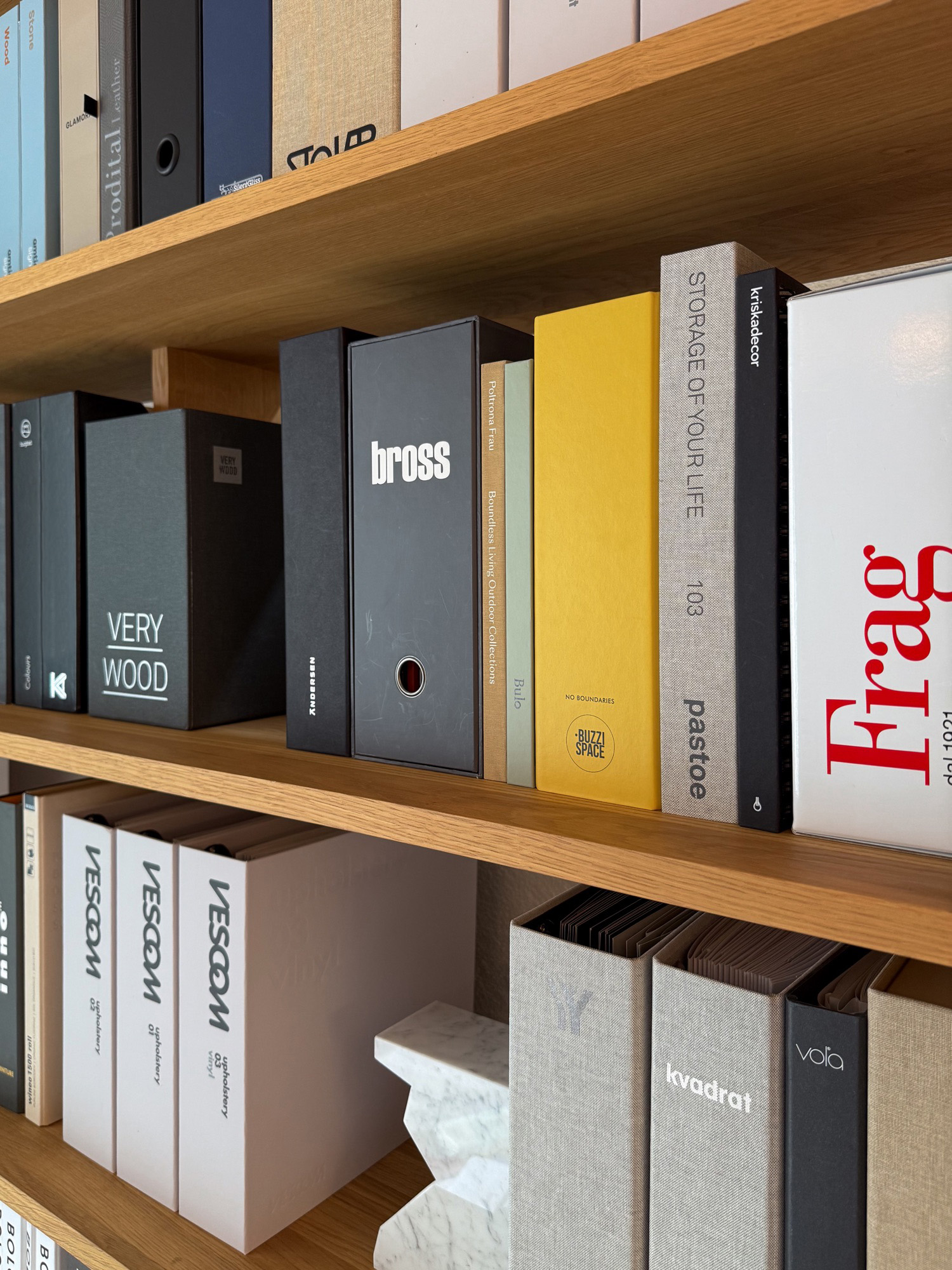
A shelf of brand catalogs and binders, spines facing out.

An architect specifying a project does not visit a thousand brand websites. They work from what they already have. Often a years-old PDF on a desktop, full of discontinued products and superseded specs.

So you are either specified from a document you no longer stand behind, or you are not specified at all. That is not a marketing problem. It is a distribution problem.

What joining actually involves.

Almost nothing, on your side. That is deliberate: every hour we ask of your marketing team is an hour that stops this from happening.

1.Send your catalogs.

No portal to learn, no upload queue, no template to fill in. You send the files, or point us at where they already live, and we bring them in.

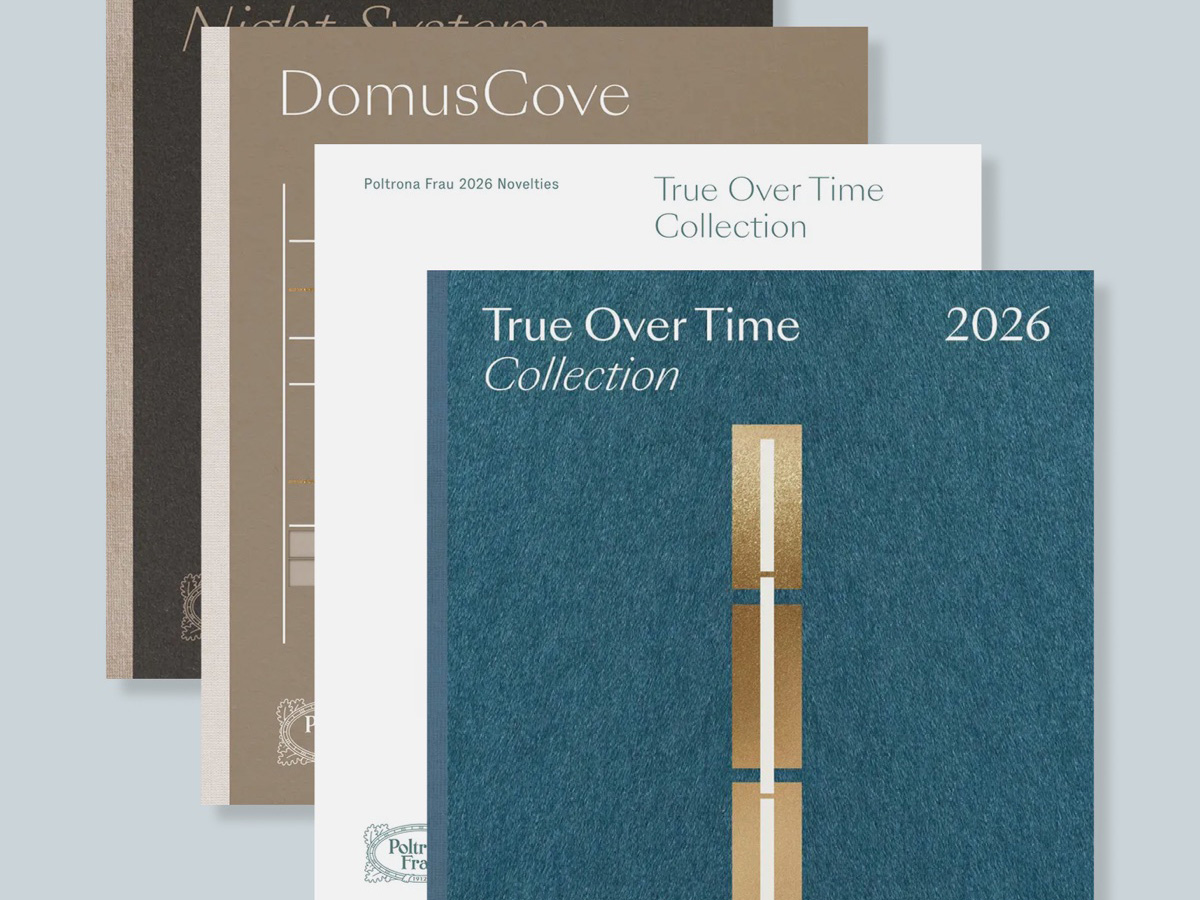
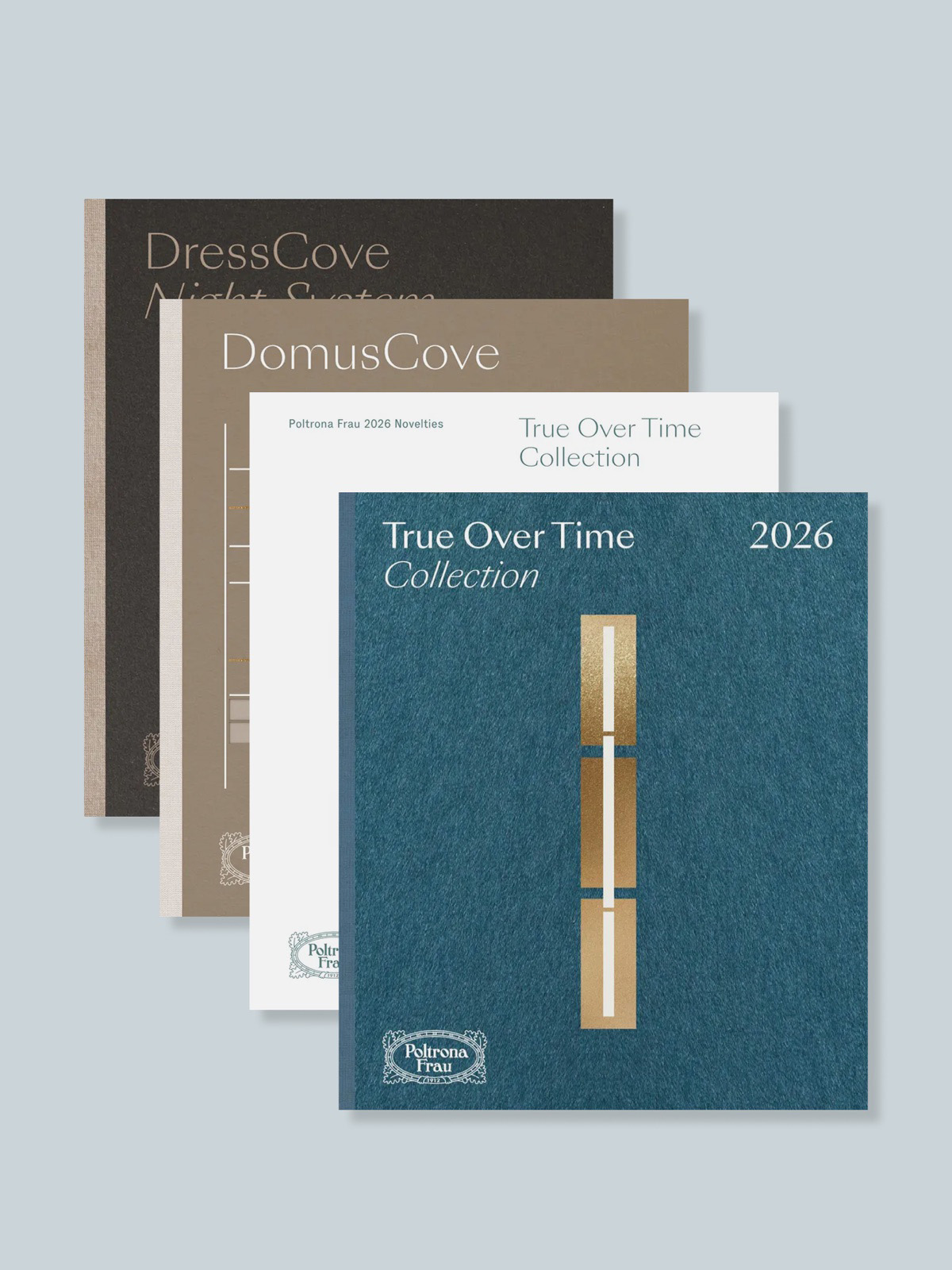
A stack of Poltrona Frau catalogs, including DomusCove and the True Over Time Collection.

2.Classified by a person.

Our team sets the scope and territory of each catalog by hand: what it covers, which market it is for. Only then does the AI tag the pages, and it does so knowing exactly what it is looking at. That is the difference between your product coming back correctly and something adjacent coming back instead.

Close-up of hands typing at a keyboard, screen in the background.

3.Every page is findable.

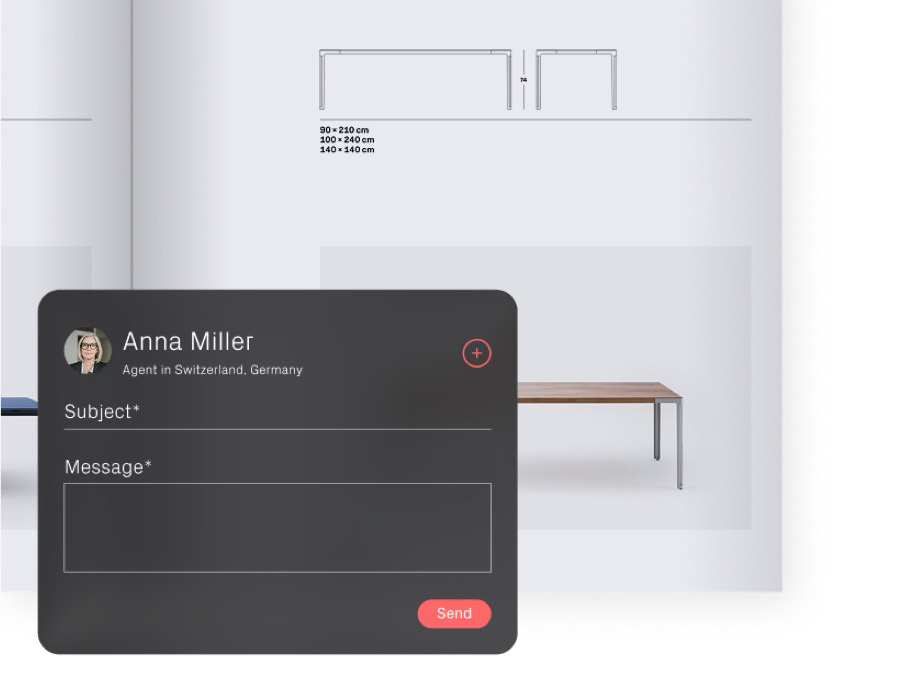
Each page and spread is searchable on its own. An architect browsing for a detail lands on your page rather than on a competitor’s, and your whole catalog becomes discoverable instead of just its cover.

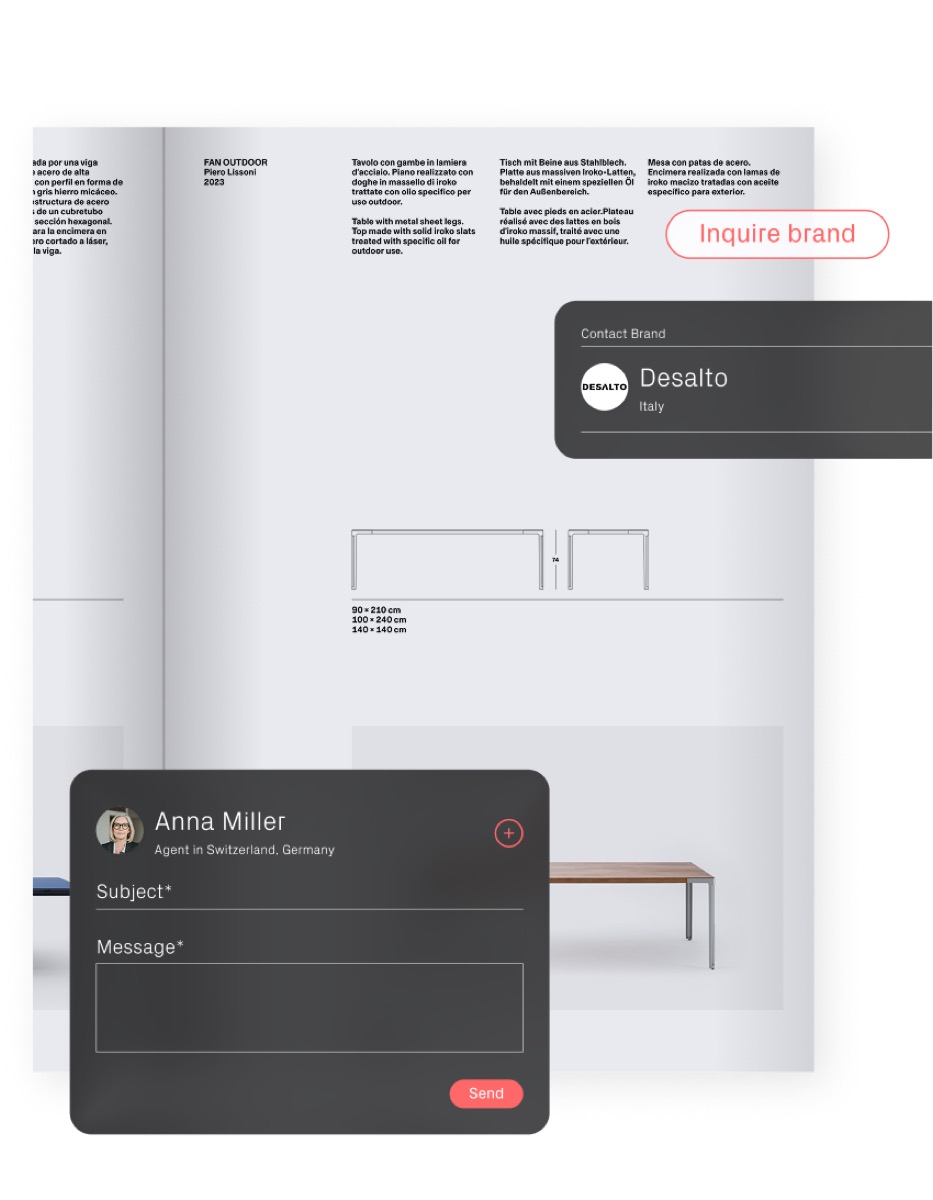
A contact card for design agent Anna Miller, over a catalog page showing table dimensions.

4.Shown as designed.

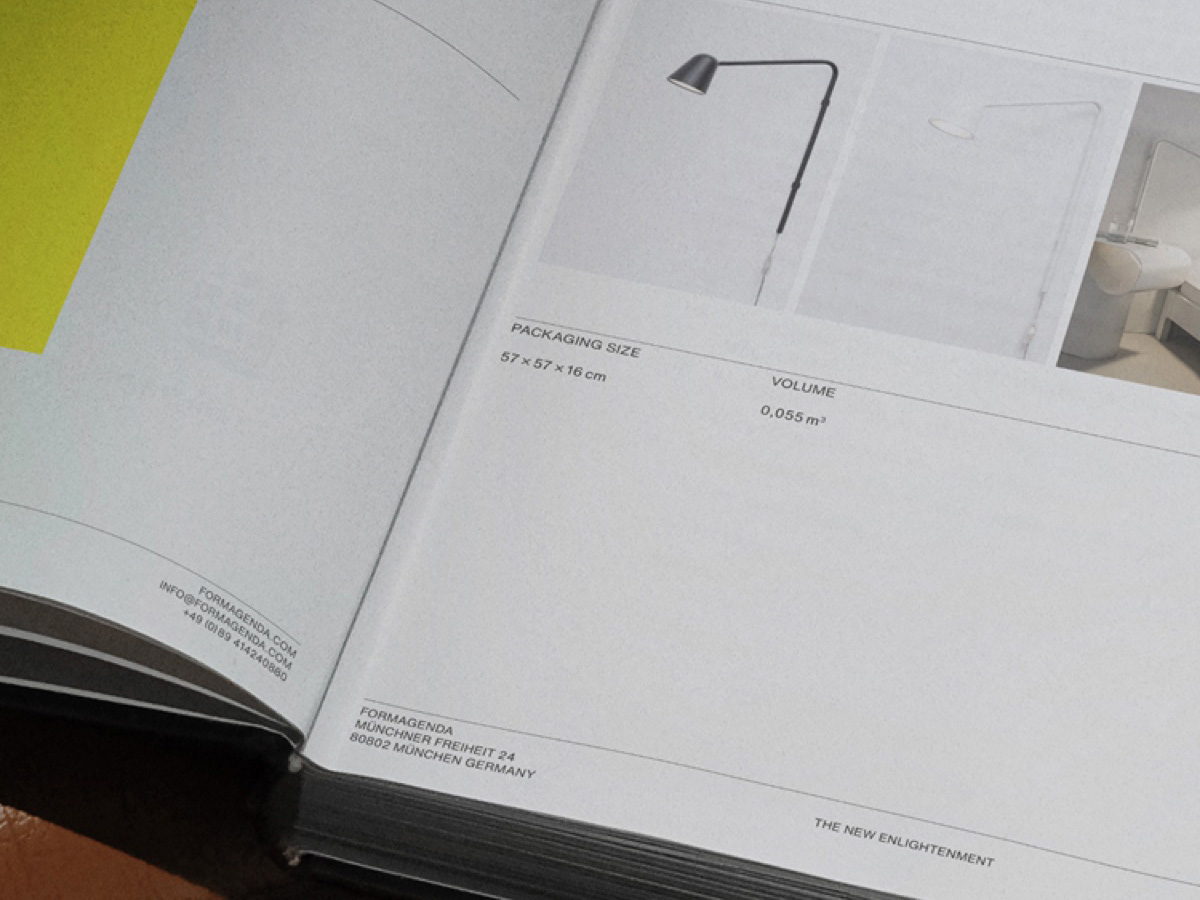
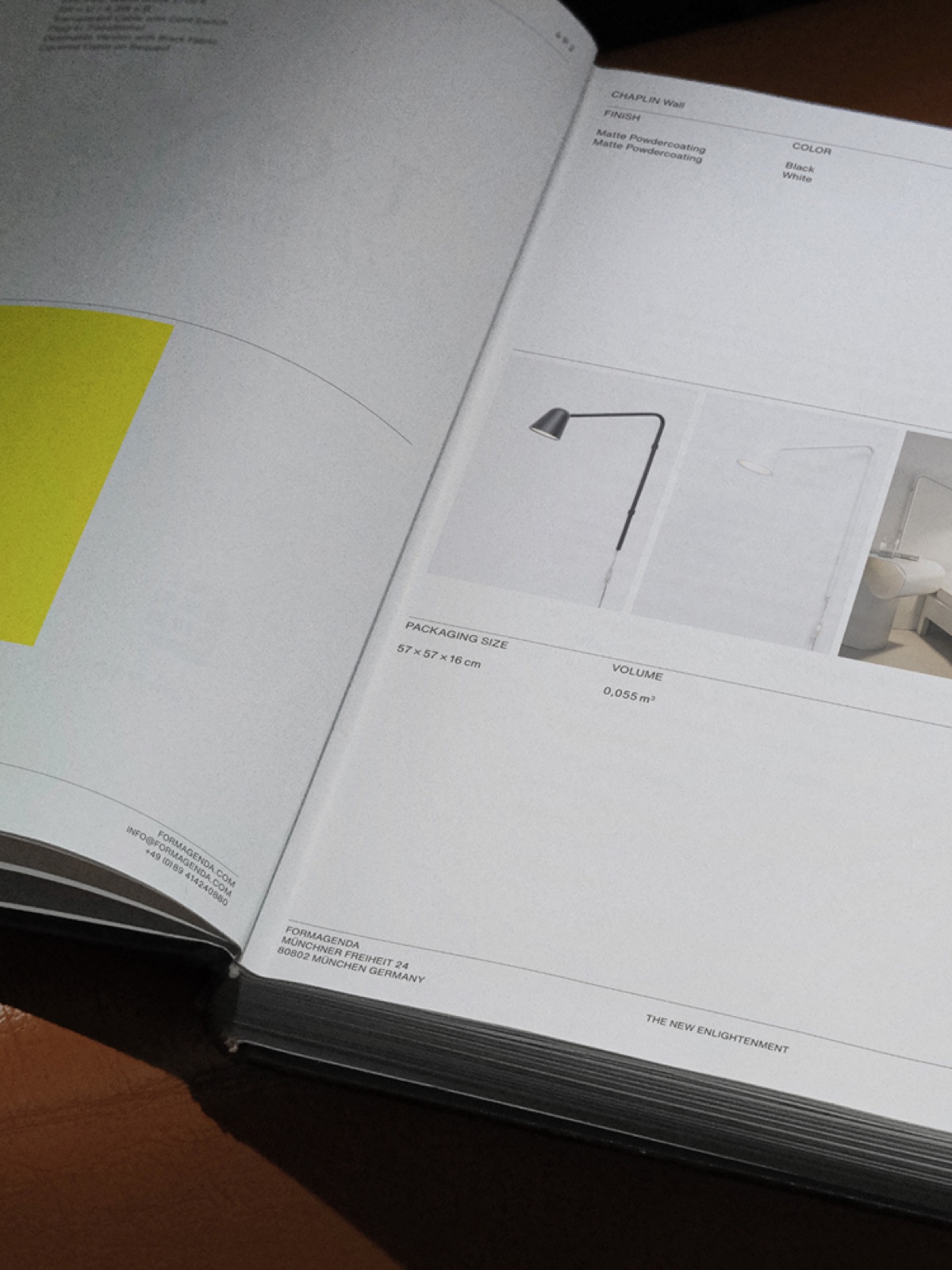
Catalogs are very often saved as single pages, so the spread your designer laid out never actually appears anywhere: not on your own site, and not even for someone who downloaded the file. We pair the pages back into spreads, and a person checks each catalog to confirm it reads the way you intended. That is usually the difference between a detail being legible and a detail being a puzzle.

A catalog spread showing a lamp's packaging size and volume specifications.

5.Always up-to-date.

Designcatalogs does not allow PDF downloads. That is deliberate: a downloaded catalog becomes an information silo the moment it lands on a desktop: static, disconnected, and eventually wrong. We check your site weekly for catalogs you have added or withdrawn, and replace them centrally, so what a specifier reads is what you currently publish, with no old copy in circulation to argue with it.

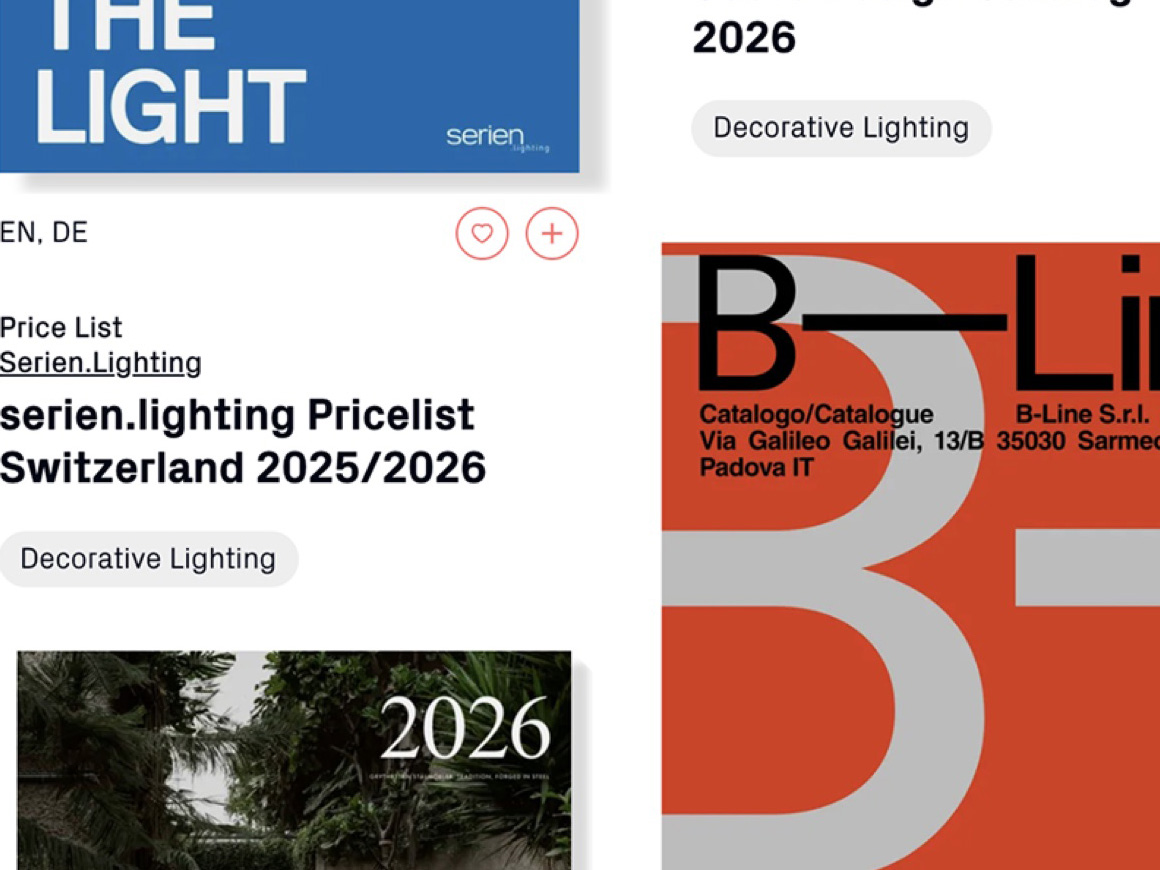
A grid of catalog cards from serien.lighting and B-Line, with save icons.

6.Route back to you.

Because the catalog never leaves the platform, every page keeps a live link to your brand. A specifier reading page 40 can reach you from page 40, which a downloaded file has never been able to do. Who they reach depends on the tier: a general contact, or a named person with a face.

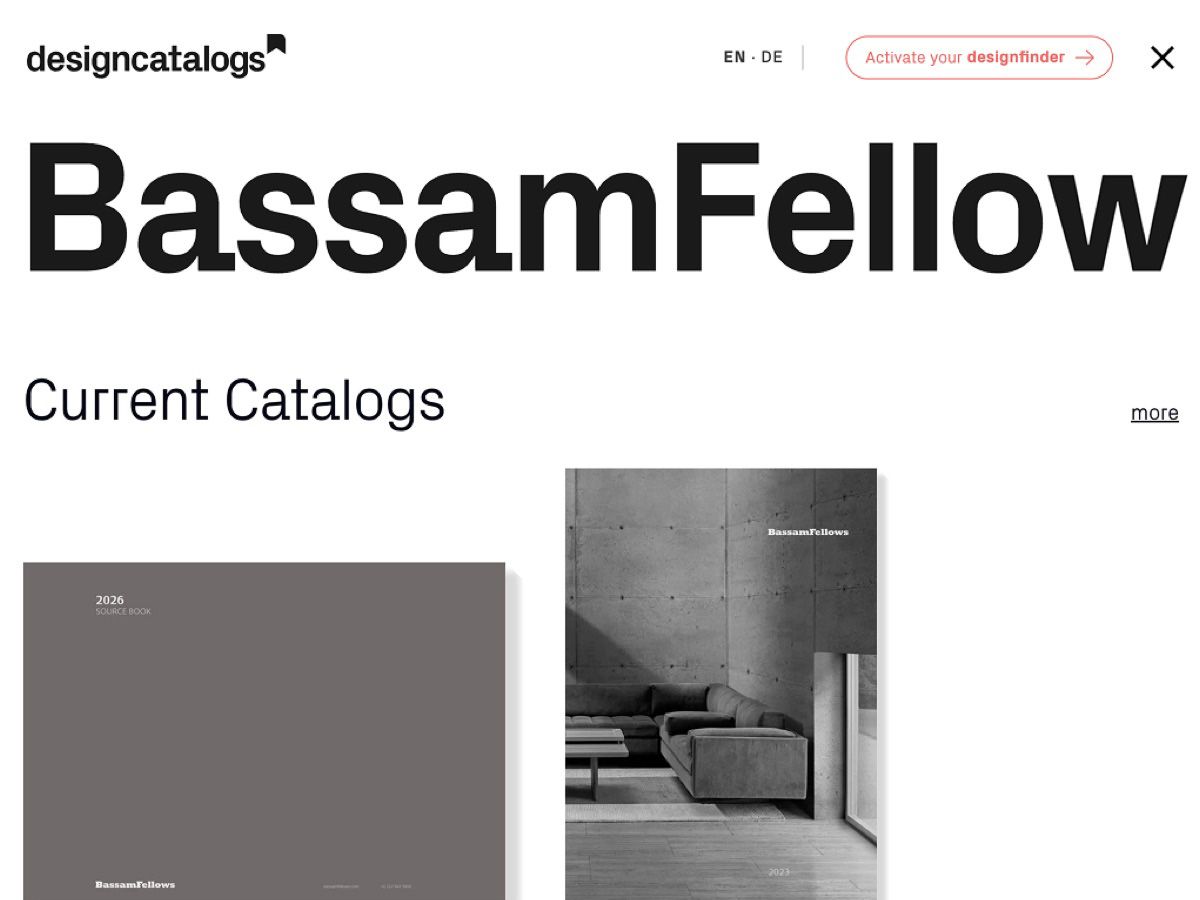
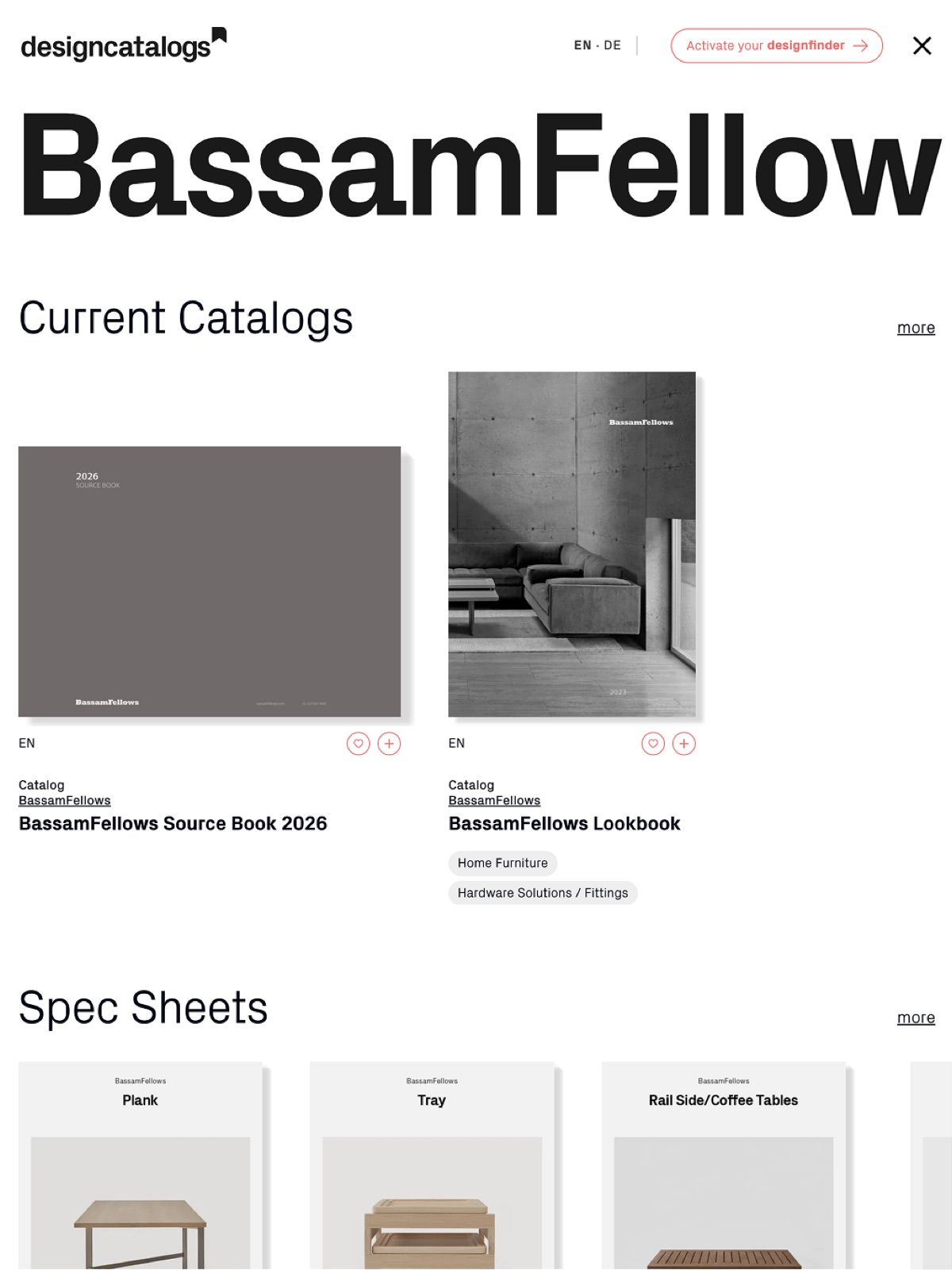
A BassamFellows brand page on Designcatalogs.

A room with the door watched.

The single question every brand asks before publishing an original catalog anywhere is who gets to see it. Here is the answer.

What it costs.

Getting your catalogs into the library is free, and stays free. Premium Partnership sits on top, for brands who want the catalog working as a channel rather than sitting in one.

Become a Partner

Freemium

Everything below, permanently, at no cost
Getting in
  • Your catalogs brought in for you, no work your side
  • Classified by hand before the AI reads them
How it appears
  • Every page and spread searchable on its own
  • Single pages paired back into your spreads, checked by a person
Staying current
  • Weekly check for catalogs added or withdrawn
  • No downloads, so no stale copy in circulation
Being reached
  • Findable by every approved professional
  • A general contact route from any page

Premium Partner

On top of everything in Freemium
Visibility
  • Top tier position in every category your catalogs match
Integration and data
  • Any page links straight to the matching product page on your site
  • Real-time update notifications, per page or whole catalog
  • Usage data by geography and architectural office profile
People
  • A named contact with portrait, and we monitor their response time
Done with you
  • Collaborative page tagging, and your own answer when your brand is named. Both below
  • Pricing to be confirmed

Two things we do with you, not for you.

Both are services with people in them, which is why they sit here rather than in a bullet.

1.

Every scene, every style, tagged with you.

On the free tier the AI tags your pages. As a Premium Partner we go through the catalog with you, so nothing is missed, every scene is covered, every style and material is matched, and each page surfaces for the queries it actually answers.

You have already spent heavily on photography, CGI and art direction. This is what makes that investment searchable. The inspiration feed on Designcatalogs is built only from original brand pages (no scraped images, no uploads), and how thoroughly your pages are tagged decides how often they appear in it.

2.

Your answer, when your name comes up.

When an architect asks about your brand by name, the assistant should say what you would say. As a Premium Partner we write that with you: your technical capabilities, what you can take on as a partner on a project, the things you want a specifier to know before they call.

Without a partnership the assistant states the default it can verify: founding year and head-office country.

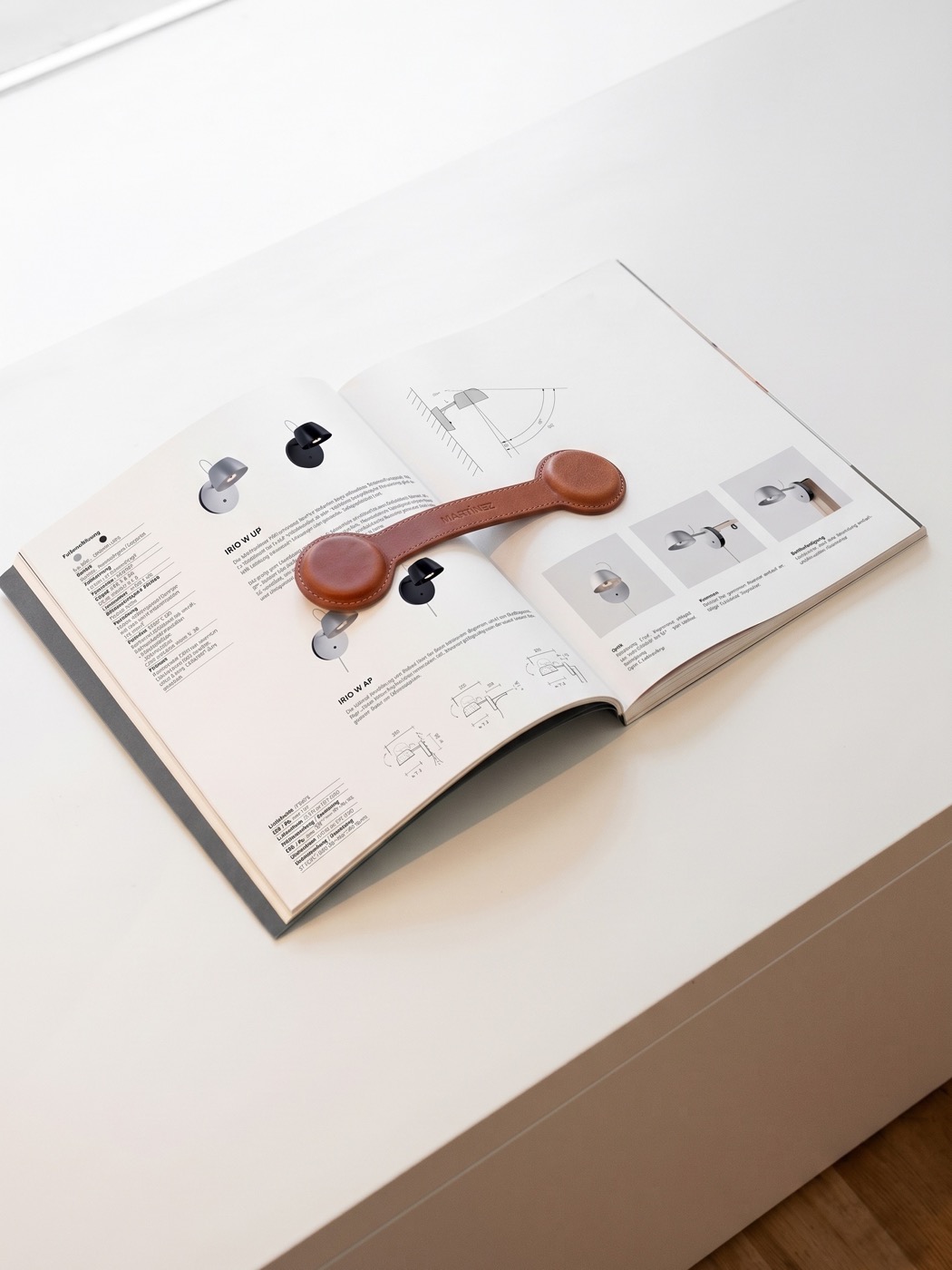
An open Martinez catalog spread for the IRIO wall light, a leather sample tag resting on top.

Curated, on both sides.

We go looking for the brands architects expect to find rather than waiting for them to arrive, and you can put yourself forward too. Either way the same question decides it. On the other side, every professional is approved before they can search. Nothing here gets in automatically.

Common
questions

Do we have to upload anything?

No. Send the files, or point us at the page where they already sit, and we take it from there. There is no portal and no template.

Do you rewrite our catalog?

No. A standard structure means taking a catalog apart first, and most of what makes it useful does not survive that: tables, drawings, sections and performance graphs, typically only the marketing text does. Designcatalogs works only with your original catalogs, shown exactly as you made them, and nobody at our end improves on them. We do tag your pages thoroughly, but tagging describes a page so it can be found. It never changes what is on it.

How long until we are live?

It depends on how much there is. A brand with a few catalogs is quick; a brand with a deep back catalogue of several thousand pages takes longer, because every page is classified before it goes in. We will give you a timeline for your material once we have seen it, and we would rather give you an accurate one than a fast one.

What does it cost?

Being in the library is free and stays free, and searching is free for approved professionals. Premium Partnership adds visibility, deep linking into your own site, instant update notifications, market intelligence, a named contact and collaborative tagging. The full comparison is above.

Who can see our catalogs?

Approved professionals only. Every account is reviewed before it can run a search, and enquiries reach you through in-platform messaging rather than a harvested email address.

Can architects download our catalogs?

No. They read it on the platform at full fidelity, and collect the pages they need into a project. What they cannot do is walk away with a file that will be wrong in a year, and that you can no longer reach them through.

Our catalog changes. Then what?

We check your site weekly for catalogs you have added or withdrawn, and replace them centrally, so everyone sees the new version at once. You do not have to notify us. And because nothing was ever downloaded, there is no old copy in circulation to compete with it.

We never asked to be listed. Why are we here?

Because you were invited. We go looking for the brands architects expect to find rather than waiting for them to come to us: a resource missing the obvious names is not a resource anyone relies on. Brands can also apply. If you would rather not be included, tell us and we will remove you.

How is this different from Designheroes?

Different moment in a design decision. Designcatalogs is the working library for current and historical brand catalogs, built for specification. Designheroes is the curated reference and marketplace for design classics, built around provenance and culture. Designheroes for brands

Get specified, not just seen.

Tell us who you are and where your catalogs live. We will do the rest and come back to you.

Send us your catalogs